
Sanitizing and Cleaning Tips for a Healthier Home
Keeping your home clean and hygienic is more important than ever. A healthier home starts with a consistent cleaning routine that not only removes visible dirt but also eliminates bacteria, viruses, and allergens from surfaces and fabrics. By following the right sanitizing and cleaning strategies, you can protect your family, maintain a fresh environment, and extend the life of your furnishings.
In this guide, we’ll cover essential tips, tools, and routines to ensure your home is both spotless and germ-free.
Understanding the Difference Between Cleaning and Sanitizing
Many homeowners use “cleaning” and “sanitizing” interchangeably, but they serve different purposes.
Cleaning: Removing Dirt and Grime
Cleaning involves using soap, detergent, or cleaning solutions to remove visible dirt, dust, and debris from surfaces. While it makes areas look clean, cleaning alone does not kill most germs.
Sanitizing: Eliminating Germs and Bacteria
Sanitizing uses chemical agents like alcohol-based sprays or disinfectants to kill bacteria, viruses, and pathogens. This step is essential for a healthier home, particularly on high-touch surfaces.
Essential Cleaning and Sanitizing Tools
Having the right tools ensures your efforts are effective and efficient.
1. Microfiber Cloths and Sponges
Microfiber cloths trap dirt, dust, and bacteria more effectively than traditional rags. Use separate cloths for cleaning and sanitizing to prevent cross-contamination.
2. Multi-Surface Cleaners
Multi-surface cleaners can remove dirt and grime from countertops, tables, shelves, and other areas. Always clean surfaces before applying sanitizers to maximize effectiveness.
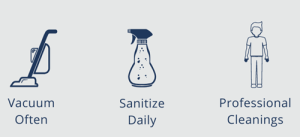
Sanitizing and Cleaning Tips for a Healthier Home
3. Sanitizer Sprays and Wipes
Choose EPA-approved or alcohol-based sanitizers to disinfect high-touch surfaces like door handles, light switches, and kitchen counters. Wipes are convenient for quick touch-ups, while sprays are ideal for larger areas.
4. Vacuum Cleaners and HEPA Filters
Vacuuming regularly removes dust, allergens, and debris from carpets and upholstery. HEPA filters capture fine particles and help improve indoor air quality.
Sanitizing and Cleaning Tips for High-Touch Surfaces
High-touch surfaces are hotspots for germs. Regular attention to these areas is crucial for a healthier home.
1. Kitchen Counters and Appliances
Wipe down countertops, cutting boards, and frequently used appliances daily. Follow with a sanitizer spray to kill bacteria and prevent cross-contamination.
2. Bathroom Fixtures
Sink handles, toilet flushes, and shower knobs are prime locations for germs. Clean with a bathroom-safe cleaner and then sanitize with an appropriate disinfectant.
3. Door Handles, Light Switches, and Remote Controls
These items are touched multiple times a day. Wipe with a microfiber cloth and use a sanitizer to reduce microbial spread.
Fabric and Upholstery Hygiene Tips
Fabrics like curtains, sofas, and bedding can harbor bacteria, allergens, and odors if not properly maintained.
1. Regular Washing
Wash bedding, towels, and frequently worn clothing regularly in hot water to kill bacteria and dust mites.
2. Fabric-Safe Sanitizers
Use fabric-safe sanitizer sprays on upholstery, curtains, and delicate clothing that cannot be machine-washed. Always test on a small, hidden area first.
3. Vacuum and Dust Upholstery
Vacuum sofas, cushions, and rugs weekly. Lightly spray fabric sanitizer to maintain hygiene and prevent odors.
4. Air Out Bedding and Cushions
Expose pillows, mattresses, and cushions to sunlight and fresh air when possible. Sunlight naturally reduces bacterial growth and keeps fabrics fresh.
Practical Cleaning and Sanitizing Routines
Consistency is key for maintaining a healthy home.
Daily Routine
Wipe kitchen and bathroom counters
Sanitize high-touch surfaces like handles and switches
Sweep floors in high-traffic areas
Weekly Routine
Vacuum carpets and upholstery
Wash bed linens and towels
Clean and sanitize electronics, remote controls, and gadgets
Monthly Routine
Deep-clean appliances like ovens and refrigerators
Rotate and air out mattresses and cushions
Disinfect neglected corners and hard-to-reach areas
Tips for Safe and Effective Use of Cleaning Products
1. Read Manufacturer Instructions
Follow guidelines on cleaning and sanitizer products for safe and effective use. Incorrect usage can damage surfaces or fabrics.
2. Ventilate While Cleaning
Open windows or use fans when applying cleaning chemicals or sanitizers to reduce fumes and accelerate drying.
3. Use Gloves When Necessary
Protect your hands when using chemical cleaners or sanitizers. Gloves also prevent cross-contamination during cleaning.
4. Store Products Safely
Keep all cleaning solutions and sanitizers in labeled containers out of reach of children and pets. Proper storage preserves product effectiveness.
Common Mistakes to Avoid
Skipping Cleaning Before Sanitizing
Sanitizers are less effective on dirty surfaces. Always clean first to ensure full germ elimination.
Overusing Chemicals
Too much cleaner or sanitizer can damage surfaces or fabrics. Apply the recommended amount.
Neglecting Tools and Equipment
Dirty sponges, brushes, and microfiber cloths can spread bacteria. Clean and sanitize tools regularly.
Benefits of Following These Tips
Healthier environment: Reduces risk of infections and allergies.
Fresher fabrics and surfaces: Prevents odors and prolongs lifespan of furnishings.
Efficiency: Structured routines save time and effort.
Peace of mind: Knowing your home is both clean and sanitized increases comfort and confidence.
Conclusion: Achieving a Healthier Home Through Cleaning and Sanitizing
Maintaining a healthy home requires a combination of consistent cleaning and proper sanitizing. By focusing on high-touch surfaces, fabrics, and neglected areas, using the right tools, and following structured routines, you can reduce germs, control odors, and maintain a fresh environment.
Whether it’s daily upkeep or deep-cleaning sessions, implementing these sanitizing and cleaning tips ensures your home remains safe, comfortable, and hygienic for everyone.