
From Stain to Spotless: Products Used in Dry Cleaning
Dry cleaning is a specialized garment care process designed to remove stains, dirt, and oils from clothing without the use of water. The process relies on a carefully selected combination of chemical products, including solvents, detergents, spotting agents, and finishing treatments, to clean garments safely while maintaining fabric integrity. Understanding these products and how they work together provides insight into why dry cleaning is the preferred method for delicate or structured fabrics. This guide explores the products used in dry cleaning, from stain removal to garment finishing.
Understanding the Dry Cleaning Process
Dry cleaning differs from traditional laundry because it uses chemical solvents instead of water to clean garments. The process is ideal for fabrics that could be damaged by water, such as silk, wool, rayon, velvet, and clothes with linings or embellishments.
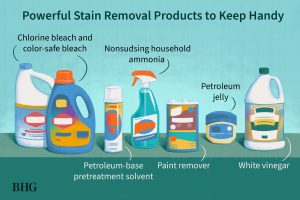
From Stain to Spotless: Products Used in Dry Cleaning
Why Water Isn’t Used
Water can cause several issues for certain fabrics:
Shrinkage or distortion of delicate fibers
Color fading or bleeding
Damage to garment structure or linings
Weakening adhesives or trims
Dry cleaning products are formulated to dissolve oils and grease while protecting fabric, making them safer for sensitive materials.
Solvents: The Core Cleaning Agents
Solvents form the foundation of the dry cleaning process. They dissolve oils, fats, and certain stains that water cannot remove.
Perchloroethylene (Perc)
Perc is the traditional solvent used in dry cleaning.
Why it’s used:
Effective at removing oil and grease stains
Non-flammable
Works with most fabrics
Considerations: Due to health and environmental concerns, many cleaners are transitioning to alternative solvents.
Hydrocarbon Solvents
Hydrocarbon solvents are milder, petroleum-based alternatives to perc.
Why they’re used:
Gentle on delicate fabrics
Low odor
Safer handling requirements
They may require additional detergents or longer cycles to achieve the same cleaning power as perc.
Silicone-Based and CO₂ Solvents
Silicone-based solvents like D5 and liquid carbon dioxide systems are growing in popularity due to eco-friendly profiles.
Why they’re used:
Biodegradable and non-toxic
Gentle on luxury fabrics
Minimal residue and odor
These solvents appeal to environmentally conscious customers and green dry cleaning businesses.
Detergents and Cleaning Boosters
In addition to solvents, dry cleaning relies on detergents and additives to enhance cleaning performance and protect fabrics.
Dry Cleaning Detergents
Detergents are formulated to dissolve in non-water-based solvents, improving the cleaning process.
Functions:
Prevent redeposition of soils
Enhance overall stain removal
Ensure consistent cleaning results
Detergents are especially critical in hydrocarbon and CO₂ systems where solvent cleaning alone may be insufficient.
Emulsifiers and Additives
Emulsifiers help remove water-soluble soils that solvents cannot dissolve.
Functions:
Break down sugars, salts, and protein stains
Boost cleaning efficiency
Reduce the need for repeated cycles
Other additives, including brighteners, softeners, and pH stabilizers, protect fabrics and improve appearance.
Spotting Agents for Targeted Stain Removal
Spotting agents are used to treat stubborn stains either before or after the main dry cleaning cycle.
Pre-Spotting Agents
Pre-spotting products are applied before garments enter the dry cleaning machine.
Common stains treated:
Oil and grease
Makeup and cosmetics
Food and beverage spills
These agents loosen stains, allowing the solvent to remove them more effectively.
Post-Spotting Agents
After the main cleaning, technicians inspect garments and treat remaining stains individually.
Common uses:
Protein-based stains (blood, sweat)
Tannin stains (tea, coffee, wine)
Dye or rust stains
Precision post-spotting reduces the need for full re-cleaning and protects delicate fabrics.
Neutralizers and Rinses
Neutralizers are used to balance pH levels and remove chemical residues from pre- or post-spotting treatments.
Functions:
Prevent fiber damage
Protect garment longevity
Ensure safety for sensitive skin
Fabric Protection and Conditioning Products
Dry cleaning also includes products that improve the feel and appearance of garments after cleaning.
Fabric Conditioners
Conditioners restore softness and flexibility to fabrics.
Benefits:
Reduce static cling
Improve hand feel and drape
Maintain fabric integrity
Optical Brighteners
Brighteners enhance the appearance of light-colored fabrics by reflecting light.
Benefits:
Restore brightness and vibrancy
Improve visual cleanliness
Enhance garment appeal
Sizing, Starching, and Pressing Aids
Finishing products give garments a crisp, polished look.
Benefits:
Maintain garment shape and structure
Improve pressing efficiency
Enhance professional appearance
Eco-Friendly and Sustainable Dry Cleaning Products
As environmental awareness grows, dry cleaning is increasingly incorporating green products.
Perc-Free Solvents
Alternative solvents, like hydrocarbon, silicone, and liquid CO₂, reduce environmental and health risks.
Benefits:
Non-toxic and biodegradable
Safe for workers and customers
Environmentally responsible cleaning
Biodegradable Detergents and Spotters
Plant-based detergents and additives clean effectively while minimizing chemical impact.
Benefits:
Reduce pollution and chemical runoff
Safe for sensitive fabrics
Support sustainable dry cleaning practices
Why Choosing the Right Dry Cleaning Products Matters
Selecting the proper products ensures garments are cleaned thoroughly without damage.
Garment Longevity
Correct chemical use prevents shrinkage, fading, and fiber weakening.
Health and Safety
Low-toxicity and biodegradable products minimize chemical exposure for both staff and customers.
Professional Results
The right combination of solvents, detergents, spotters, and finishing products ensures clothes come out fresh, soft, bright, and well-protected.
Conclusion
From stain to spotless, dry cleaning depends on a combination of carefully chosen chemical products. Solvents remove oils and dirt, detergents enhance cleaning performance, and spotting agents target stubborn stains. Fabric conditioners, optical brighteners, and finishing products ensure garments look and feel their best. With the increasing use of eco-friendly solvents and biodegradable additives, dry cleaning continues to evolve toward safer, more sustainable, and highly effective cleaning methods. Understanding these products allows consumers and businesses to achieve optimal garment care and long-lasting results.