
Dry Cleaning Different Fabrics: From Cashmere to Polyester – A Complete Fabric Care Guide
Understanding How Dry Cleaning Works for Different Fabrics
Dry cleaning is one of the most effective ways to care for clothing made from delicate, valuable, or structured fabrics. Unlike traditional washing, dry cleaning uses specialised solvents instead of water to remove dirt, oils, stains, and odours while helping protect the fabric’s original shape and appearance.
However, not every fabric reacts the same way to the dry cleaning process. Materials such as cashmere, wool, silk, linen, cotton, and polyester each have unique characteristics that determine the best cleaning method.
Understanding how dry cleaning works for different fabrics can help you protect your wardrobe, extend the life of your clothing, and avoid damage caused by incorrect cleaning techniques.
Why Different Fabrics Require Different Cleaning Methods
Fabric Composition Determines Cleaning Needs
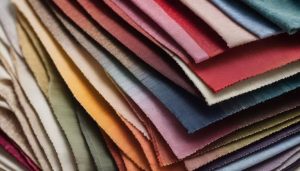
Dry Cleaning Different Fabrics: From Cashmere to Polyester
Every fabric is made from different fibres, and these fibres respond differently to moisture, heat, chemicals, and movement. Natural fibres such as cashmere, wool, and silk often require gentle handling because they can shrink, stretch, or lose their softness if cleaned incorrectly.
Synthetic fabrics such as polyester are generally more durable, but they can still benefit from professional cleaning, especially when used in tailored garments or blended with delicate fibres.
The Importance of Professional Fabric Assessment
Professional dry cleaners assess the fabric type, garment construction, colour stability, and stain type before choosing the best cleaning method. This helps ensure the cleaning process protects both the material and the overall appearance of the garment.
Dry Cleaning Cashmere: Protecting Luxury and Softness
Why Cashmere Needs Special Care
Cashmere is a premium natural fibre known for its softness, warmth, and lightweight feel. Because cashmere fibres are extremely fine, they require careful cleaning to maintain their texture and shape.
Dry cleaning is often recommended for cashmere sweaters, coats, scarves, and other luxury garments. Professional cleaning helps remove oils, dirt, and stains while reducing the risk of shrinking or damaging the delicate fibres.
Tips for Maintaining Cashmere Clothing
To keep cashmere garments looking their best:
- Avoid washing cashmere too frequently
- Store cashmere folded rather than hanging
- Remove surface dust with a soft garment brush
- Follow the care label instructions carefully
- Use professional dry cleaning for valuable or delicate pieces
Dry Cleaning Wool: Maintaining Shape and Durability
Why Wool Garments Benefit from Dry Cleaning
Wool is a durable natural fibre commonly used for suits, coats, jackets, and winter clothing. Although wool has natural resistance to dirt and odours, it can shrink or lose its shape when exposed to excessive water and heat.
Dry cleaning wool garments helps maintain their structure, making it a preferred option for tailored wool clothing. Professional cleaning can also remove stubborn stains while preserving the fabric’s softness and appearance.
Common Wool Items Suitable for Dry Cleaning
Many wool garments that benefit from dry cleaning include:
- Wool suits
- Winter coats
- Blazers and jackets
- Wool trousers
- Designer wool knitwear
Always check the garment label, as some wool blends may require specific care instructions.
Dry Cleaning Silk: Caring for Delicate Fabrics
Why Silk Requires Professional Cleaning
Silk is one of the most delicate fabrics used in clothing. It has a smooth texture, natural shine, and luxurious appearance, but it can be sensitive to water, heat, and harsh detergents.
Dry cleaning is often recommended for silk garments because it helps protect the fabric’s colour, texture, and shape. This is especially important for formal dresses, silk suits, blouses, and expensive accessories.
Silk Garments That May Require Dry Cleaning
Professional dry cleaning is commonly recommended for:
- Silk dresses
- Silk blouses
- Silk scarves
- Formal silk clothing
- Vintage silk garments
Because silk varies depending on its weave and finish, always follow the manufacturer’s instructions before cleaning.
Dry Cleaning Linen: Preserving a Fresh and Structured Look
Can Linen Be Dry Cleaned?
Yes, linen can be dry cleaned, especially when maintaining the structure and appearance of the garment is important. Linen is a natural fibre valued for its breathability and lightweight feel, but it is also known for wrinkling easily.
Dry cleaning can be beneficial for linen suits, jackets, dresses, and garments with delicate construction. It helps reduce the risk of shrinkage and keeps the fabric looking crisp.
When Linen May Not Need Dry Cleaning
Some casual linen items, such as everyday shirts or relaxed clothing, may be suitable for gentle washing depending on the care label. However, valuable or structured linen garments are often better handled professionally.
Dry Cleaning Cotton: Protecting Everyday Fabrics
Is Cotton Suitable for Dry Cleaning?
Cotton is a strong and versatile fabric that can often be washed at home. However, certain cotton garments may benefit from dry cleaning, particularly those with special finishes, tailoring, or delicate details.
Examples include:
- Cotton suits
- Designer cotton clothing
- Structured jackets
- Garments with decorative features
Dry cleaning can help maintain the shape and appearance of higher-quality cotton garments.
Dry Cleaning Polyester: Caring for Synthetic Fabrics
Can Polyester Be Dry Cleaned?
Yes, polyester can usually be dry cleaned. Polyester is a durable synthetic fibre that resists shrinking and wrinkles, making it popular for everyday clothing, uniforms, and blended fabrics.
While polyester is often easy to maintain, dry cleaning can be useful for formal polyester garments, suits, dresses, and items that require professional stain removal.
Benefits of Dry Cleaning Polyester Clothing
Dry cleaning polyester can help:
- Remove oil-based stains effectively
- Maintain garment shape
- Protect fabric finishes
- Refresh formal clothing
Dry Cleaning Fabric Blends: What You Need to Know
Why Fabric Blends Need Careful Assessment
Many modern garments combine multiple fibres, such as wool-polyester blends or silk-cotton combinations. These blended fabrics may require special cleaning methods because each fibre reacts differently.
Professional cleaners consider the most delicate fibre in the blend when determining the safest cleaning approach.
Examples of Common Fabric Blends
Common blends include:
- Wool and polyester suits
- Cotton and silk clothing
- Cashmere and wool knitwear
- Linen and cotton summer garments
How to Choose the Right Cleaning Method for Your Fabric
Check the Care Label
The care label is the first place to check before cleaning any garment. It provides guidance from the manufacturer about suitable cleaning methods.
Consult a Professional Dry Cleaner
If you are unsure whether a fabric should be dry cleaned, professional advice can help prevent damage. Experienced cleaners understand how different materials respond to cleaning processes and can recommend the safest solution.
Final Thoughts: Dry Cleaning Different Fabrics Safely
Dry cleaning is suitable for many fabrics, from luxurious cashmere and silk to durable polyester and structured wool garments. However, each material requires specific care to maintain its quality, appearance, and lifespan.
Understanding how different fabrics respond to dry cleaning helps you make better decisions about garment care. Whether you are protecting an expensive cashmere sweater, a tailored wool suit, or a delicate silk dress, choosing the correct cleaning method ensures your clothing stays fresh and wearable for years to come.