
A Beginner’s Guide to Common Dry Cleaning Processes
Dry cleaning is an essential fabric care service used to clean delicate, structured, or specialty garments that cannot be safely washed with water. For beginners, the process can seem confusing—especially with different solvents, techniques, and industry terms involved.
This beginner’s guide to common dry cleaning processes explains how dry cleaning works, the most widely used methods, and what you should know to care for your clothing more effectively. Whether you are new to garment care or simply want to understand what happens behind the counter, this guide breaks it down in a clear and practical way.
What Is Dry Cleaning?
Dry cleaning is a professional cleaning process that uses chemical solvents instead of water to remove dirt, stains, and oils from fabrics. It is designed to clean garments without causing shrinkage, distortion, or damage to delicate fibers.
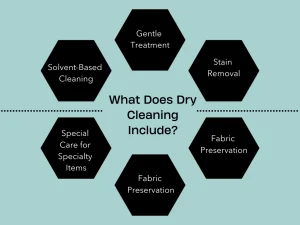
A Beginner’s Guide to Common Dry Cleaning Processes
Unlike regular laundry, dry cleaning is especially suited for materials like silk, wool, cashmere, rayon blends, and tailored clothing such as suits and dresses.
Why Dry Cleaning Is Important
Prevents fabric shrinkage and stretching
Protects delicate fibers from water damage
Removes oil-based stains more effectively than washing
Maintains garment shape and structure
Extends clothing lifespan
Understanding the process helps you choose the right care for your clothes.
How the Dry Cleaning Process Works
Although different methods exist, most dry cleaning processes follow a similar workflow. Each step is designed to clean garments thoroughly while minimizing damage.
Step-by-Step Overview of Dry Cleaning
Inspection of garments for stains and damage
Pre-treatment of tough stains
Cleaning using a solvent-based machine
Gentle drying to remove chemicals
Pressing and finishing for a polished look
This controlled process ensures garments are cleaned safely and professionally.
1. Perchloroethylene (Perc) Cleaning Method
Perc cleaning is one of the most traditional and widely used dry cleaning processes.
How It Works
Garments are placed in a machine where perchloroethylene solvent dissolves grease and dirt. The machine gently rotates clothing to ensure even cleaning before drying and finishing.
Why It Is Common
Strong stain removal performance
Effective for suits and heavy fabrics
Fast and efficient cleaning cycles
Widely available in most dry cleaners
Despite its effectiveness, it is gradually being replaced in some areas due to environmental concerns.
2. Hydrocarbon Dry Cleaning Process
Hydrocarbon cleaning is a gentler alternative to perc-based cleaning.
How It Works
This method uses petroleum-based solvents that are less aggressive, making them suitable for delicate garments.
Benefits for Beginners to Know
Safer for delicate fabrics
Less chemical odor
Reduces wear and tear on clothing
Common in high-end garment care
This is often used for designer clothing and luxury fabrics.
3. Silicone-Based GreenEarth Cleaning
Silicone-based cleaning is a modern, eco-friendly dry cleaning method.
How It Works
Liquid silicone (D5) is used to gently lift dirt and oils from fabrics. After cleaning, it naturally breaks down into harmless substances.
Why Beginners Like This Method
Environmentally friendly
Gentle on fabrics and colors
No harsh chemical smell
Helps preserve garment softness
This method is popular in eco-conscious dry cleaning services.
4. Wet Cleaning (Water-Based Professional Method)
Wet cleaning is a controlled alternative that uses water safely instead of chemical solvents.
How It Works
Special machines regulate water temperature, detergent strength, and mechanical action to clean garments gently.
Key Benefits
Non-toxic and eco-friendly
Safe for many “dry clean only” items
Effective stain removal
Reduces chemical exposure
Wet cleaning is increasingly used as a safer, modern alternative.
5. CO₂ Dry Cleaning Process
CO₂ cleaning is an advanced, environmentally friendly method using carbon dioxide.
How It Works
Carbon dioxide is pressurized into a liquid state and used as a cleaning solvent. It penetrates fabric fibers and removes dirt before being recycled.
Why It’s Important
No toxic chemical residues
Safe for sensitive fabrics
Environmentally sustainable
Preserves garment quality
This method represents the future of green dry cleaning.
6. Spot Cleaning Technique
Spot cleaning focuses on removing specific stains rather than cleaning the entire garment.
How It Works
A technician applies a cleaning solution directly to the stained area before or after full cleaning.
Benefits for Beginners
Cost-effective treatment
Prevents over-cleaning garments
Targets stubborn stains directly
Extends garment lifespan
This method is often used alongside full dry cleaning.
7. Steam Cleaning and Refreshing
Steam cleaning is used to refresh garments and remove odors without full washing.
How It Works
High-temperature steam is applied to fabrics to loosen dirt, remove wrinkles, and kill bacteria.
Why It Matters
Eliminates odors effectively
Reduces wrinkles
Refreshes garments quickly
Gentle on fabrics
This is ideal for lightly worn clothing.
8. Enzyme-Based Stain Treatment
Enzyme treatments are used to break down organic stains before cleaning.
How It Works
Natural enzymes target proteins, oils, and starches, breaking them into smaller particles that are easier to remove.
Benefits
Highly effective for food and sweat stains
Gentle on fabrics
Reduces need for harsh chemicals
Improves cleaning results
This is often part of professional pre-treatment.
Tips for Beginners Choosing a Dry Cleaning Service
Understanding dry cleaning processes helps you choose the right service provider for your clothing needs.
What to Look For
Eco-friendly cleaning options
Experience with delicate fabrics
Transparent stain treatment methods
Proper garment handling procedures
Good customer reviews and reputation
Common Mistakes Beginners Should Avoid
Many first-time customers make simple mistakes that can affect garment quality.
Things to Avoid
Ignoring care labels
Waiting too long to treat stains
Over-cleaning delicate fabrics
Choosing price over quality
Not asking about cleaning methods
Avoiding these mistakes helps preserve your clothing longer.
Conclusion
Understanding A Beginner’s Guide to Common Dry Cleaning Processes helps you make smarter decisions about garment care. From traditional solvent cleaning to modern eco-friendly methods like CO₂ and wet cleaning, each process serves a unique purpose in maintaining fabric quality.
By learning how these methods work, beginners can better protect their wardrobe, extend garment life, and choose the right dry cleaning service with confidence.