
What Happens to Your Clothes During Dry Cleaning?
Dry cleaning is often seen as a simple drop-off and pick-up service, but behind the scenes, it is a detailed, multi-step cleaning process designed to protect delicate fabrics while removing stains, odors, and dirt. Unlike regular washing, dry cleaning uses specialized solvents instead of water, making it ideal for garments that require gentle care.
If you’ve ever wondered what actually happens to your clothes once they leave your hands, this guide breaks down the entire dry cleaning process step by step. Understanding it can help you make better decisions about garment care, extend the life of your clothing, and avoid common laundry mistakes.
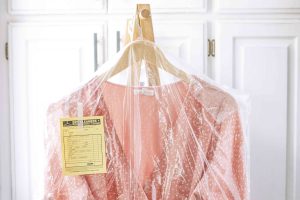
What Happens to Your Clothes During Dry Cleaning?
The First Step: Inspection and Garment Tagging
Every item that enters a dry cleaning facility goes through a careful inspection before any cleaning begins.
Checking fabric type and care labels
Professionals examine the garment’s fabric composition and care instructions to determine the safest cleaning method. Materials like silk, wool, cashmere, and structured suits require special handling.
Identifying stains and damage
Cleaners inspect each piece for stains, tears, missing buttons, or weakened seams. Identifying issues early ensures the garment is treated correctly during the cleaning cycle.
Tagging for tracking
Each item is assigned a unique tag or barcode to ensure it is not lost or mixed with other customers’ clothing throughout the process.
Pre-Treatment: Targeting Stains Before Cleaning
Before garments are placed into the dry cleaning machine, stains are treated individually.
Spot treatment techniques
Different stains require different solutions. For example, oil-based stains like makeup or grease need solvent-based pre-treatment, while water-based stains like coffee or wine may require specialized spotting agents.
Why pre-treatment is important
Pre-treatment increases the chances of complete stain removal and prevents stains from setting deeper into fabric fibers during the cleaning process.
Manual attention to detail
Experienced cleaners often use small tools and brushes to gently work stain removers into the fabric without damaging delicate materials.
The Dry Cleaning Machine Process
Once pre-treatment is complete, garments are placed into a specialized dry cleaning machine.
How the machine works
Instead of water, the machine uses liquid solvents that gently circulate around clothing. These solvents dissolve oils, dirt, and impurities trapped in the fabric.
Gentle agitation cycle
The machine rotates slowly to avoid damaging delicate garments while still allowing the solvent to penetrate fabric fibers.
Solvent filtration system
During the cycle, the solvent is continuously filtered to remove dirt and reused, making the process more efficient and controlled.
Solvent Extraction and Drying Stage
After cleaning, the solvent must be removed from the garments.
Spinning and extraction
The machine spins at high speed to extract most of the solvent from the clothes, similar to a spin cycle in a washing machine.
Controlled drying process
Clothes are then dried using warm air in a controlled environment to ensure no solvent remains.
Why temperature control matters
Too much heat can damage delicate fibers, so temperature is carefully regulated depending on fabric type.
Finishing: Pressing, Steaming, and Inspection
Once clean and dry, garments go through finishing to restore their original appearance.
Pressing and ironing
Professional presses are used to remove wrinkles and restore the garment’s shape. This is especially important for suits, dresses, and structured clothing.
Steaming delicate fabrics
Steam is often used instead of direct heat for fragile fabrics like silk or chiffon to avoid damage.
Final quality check
Each item is inspected again to ensure stains are removed, seams are intact, and the garment looks presentable.
Packaging and Return to Customer
After finishing, garments are prepared for pickup or delivery.
Protective packaging
Clothes are usually placed in protective covers to prevent dust, moisture, and wrinkles during transport.
Final labeling
Each item is matched with its owner using the tagging system to ensure accuracy.
Customer notification
Many modern dry cleaners send text or email notifications when orders are ready for pickup.
What Makes Dry Cleaning Different from Washing?
Dry cleaning and traditional washing may seem similar, but the processes are fundamentally different.
No water-based agitation
Dry cleaning avoids water, which can shrink or distort sensitive fabrics.
Use of chemical solvents
Solvents dissolve oils and stains that water-based detergents may not fully remove.
Better for structured garments
Items like suits and coats maintain their shape better through dry cleaning than machine washing.
Common Misconceptions About Dry Cleaning
Many people misunderstand how dry cleaning actually works.
Myth: Clothes come out completely untouched
In reality, garments go through multiple controlled stages including agitation, solvent cleaning, and pressing.
Myth: It removes all stains instantly
Some stains require multiple treatments or may be permanent if not addressed early.
Myth: It damages clothes
When done professionally, dry cleaning is designed to preserve and extend the life of garments.
How Often Should You Dry Clean Clothes?
Not every item needs frequent dry cleaning.
Occasional garments
Formal wear should be cleaned after use or when visibly soiled.
Work clothing
Suits and business attire may require cleaning every few wears depending on usage.
Avoid over-cleaning
Excessive dry cleaning can gradually wear down fibers, so it should only be done when necessary.
Eco-Friendly Developments in Dry Cleaning
The industry is evolving toward more sustainable practices.
Alternative solvents
Modern cleaners are adopting biodegradable and less toxic solvents.
Wet cleaning systems
Advanced water-based systems use controlled environments to safely clean delicate garments.
Environmental benefits
These innovations reduce chemical waste and improve safety for workers and customers.
Final Thoughts on the Dry Cleaning Process
Understanding what happens to your clothes during dry cleaning gives you a clearer picture of the care and precision involved. From inspection and stain treatment to solvent cleaning and finishing, every step is designed to protect your garments while restoring them to a clean, wearable condition.