
What Goes Into the Dry Cleaning Process? A Product Breakdown
Dry cleaning is a specialized garment care process that relies on carefully selected products rather than water to clean, protect, and restore clothing. From powerful solvents to precision spotting agents and finishing treatments, every step in the dry cleaning process uses specific products designed to handle delicate fabrics and stubborn stains. This in-depth breakdown explains what goes into the dry cleaning process, why each product is used, and how they work together to deliver professional results.
Understanding the Dry Cleaning Process
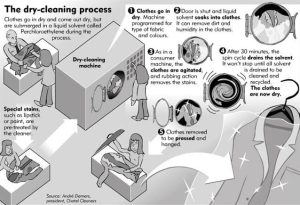
Dry cleaning is a method of cleaning clothing using chemical solvents instead of water. Despite its name, the process is not completely dry—garments are immersed in liquid solvents that remove oils and soils without damaging sensitive fibers. This process is ideal for fabrics such as wool, silk, velvet, rayon, and structured garments like suits and formalwear.
Why Dry Cleaning Uses Products Instead of Water
Water-based washing can cause shrinkage, color bleeding, fabric distortion, and damage to linings or adhesives. Dry cleaning products are formulated to clean gently while maintaining fabric integrity, color vibrancy, and garment shape.
What Goes Into the Dry Cleaning Process? A Product Breakdown
The Role of Solvents in Dry Cleaning
Solvents are the core cleaning agents in the dry cleaning process. They dissolve oils, grease, and dirt that water cannot effectively remove.
Perchloroethylene (Perc)
Perchloroethylene, commonly referred to as perc, has been the traditional solvent used in dry cleaning for decades.
Why it’s used:
Excellent grease and oil removal
Non-flammable
Compatible with many fabrics
Due to environmental and health concerns, many cleaners are transitioning away from perc, but it is still in use in some facilities.
Hydrocarbon Solvents
Hydrocarbon solvents are petroleum-based alternatives that offer gentler cleaning.
Why they’re used:
Safer handling compared to perc
Mild on delicate garments
Lower odor
They often require longer cycles and additional detergents to achieve deep cleaning.
Silicone-Based and CO₂ Solvents
Modern dry cleaners may use silicone-based solvents or liquid carbon dioxide systems.
Why they’re used:
Eco-friendly and low toxicity
Gentle on luxury and sensitive fabrics
Minimal residue
These systems appeal to environmentally conscious consumers.
Dry Cleaning Detergents and Cleaning Boosters
Solvents alone are not enough. Specialized detergents and additives enhance the cleaning power of the solvent.
Solvent-Compatible Detergents
Dry cleaning detergents are designed to dissolve in non-water-based solvents.
Why they’re used:
Improve soil suspension
Prevent dirt from redepositing
Increase overall cleaning effectiveness
They are essential for consistent results, especially in hydrocarbon and green systems.
Emulsifiers and Cleaning Boosters
Emulsifiers help lift water-based stains that solvents alone may miss.
Why they’re used:
Break down sugars and salts
Enhance stain removal
Reduce re-cleaning
These additives help bridge the gap between oil-based and water-based stain removal.
Spotting Products Used Before and After Cleaning
Spotting is a critical step in the dry cleaning process, involving targeted stain treatment.
Pre-Spotting Products
Pre-spotting agents are applied before garments enter the machine.
Common stain targets:
Grease and oil
Cosmetics and lotions
Food stains
These products loosen stains so the solvent can remove them more effectively.
Post-Spotting Chemicals
After cleaning, trained technicians inspect garments and treat remaining stains individually.
Why post-spotting is necessary:
Some stains require specialized formulas
Prevents damage from repeated full cycles
Allows precise stain removal
Products may include protein removers, tannin removers, dye strippers, and rust treatments.
Neutralizing Agents
Neutralizers balance the fabric’s pH after stain treatment.
Why they’re used:
Prevent fabric weakening
Eliminate chemical residue
Ensure wearer comfort
This step is especially important for delicate or high-end garments.
Fabric Protection and Conditioning Products
Dry cleaning is not just about cleaning—it’s also about preserving garments.
Fabric Conditioners
Conditioners restore softness and flexibility to fibers.
Why they’re used:
Reduce static cling
Improve hand feel
Enhance drape and appearance
They help garments feel fresh and comfortable after cleaning.
Optical Brighteners
Optical brighteners improve the appearance of light-colored fabrics.
Why they’re used:
Enhance brightness
Improve visual cleanliness
Restore fabric appeal
They reflect light rather than altering fabric color.
Finishing Products Used After Cleaning
Once garments are clean, finishing products help return them to their original or desired appearance.
Sizing and Starching Agents
Sizing products add structure and crispness.
Why they’re used:
Maintain garment shape
Enhance professional appearance
Meet customer preferences
Often used on shirts, uniforms, and formal garments.
Wrinkle-Release and Pressing Aids
These products make pressing more effective.
Why they’re used:
Reduce heat damage
Improve pressing results
Speed up finishing time
They help achieve a polished look.
Odor Neutralizers
Odor-control products eliminate lingering smells.
Why they’re used:
Remove solvent odors
Eliminate smoke and food smells
Improve customer satisfaction
These products leave garments smelling clean and fresh.
Eco-Friendly Products in Modern Dry Cleaning
Sustainability is increasingly important in the dry cleaning industry.
Biodegradable Detergents and Spotters
Many cleaners now use plant-based or biodegradable products.
Benefits include:
Reduced environmental impact
Safer for workers
Better for sensitive skin
Perc-Free and Green Cleaning Systems
Green dry cleaning avoids harsh chemicals entirely.
Why they’re growing in popularity:
Regulatory compliance
Health-conscious consumers
Improved environmental reputation
Why Product Selection Matters in Dry Cleaning
The products used throughout the dry cleaning process directly impact garment quality and longevity.
Garment Longevity
Using the right products prevents fiber damage, fading, and shrinkage.
Customer Safety and Comfort
Low-toxicity products reduce allergic reactions and chemical exposure.
Environmental Responsibility
Modern dry cleaning products support sustainable practices without sacrificing cleaning performance.
Conclusion
The dry cleaning process relies on a carefully balanced combination of solvents, detergents, spotting agents, conditioners, and finishing products. Each product plays a specific role in cleaning, protecting, and restoring garments while avoiding the risks associated with water-based washing. As technology advances, dry cleaning products continue to evolve toward safer, greener, and more effective solutions. Understanding what goes into the dry cleaning process helps consumers trust their cleaners and helps businesses deliver consistently high-quality results.