
Is Perchloroethylene Still Worth It?
Perchloroethylene—commonly known as “perc”—has been the backbone of the dry cleaning industry for decades. From its powerful stain-removal capabilities to its compatibility with a wide range of fabrics, it has long been considered the gold standard solvent. But with tightening environmental regulations, evolving consumer expectations, and the rise of greener alternatives, many dry cleaners are asking an important question: Is perchloroethylene still worth it?
In this in-depth guide, we’ll explore the benefits, risks, costs, regulatory landscape, and alternatives to help business owners and industry professionals make an informed decision.
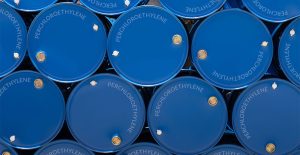
Is Perchloroethylene Still Worth It?
What Is Perchloroethylene?
Perchloroethylene (tetrachloroethylene) is a chlorinated solvent widely used in commercial dry cleaning. It is non-flammable, stable, and highly effective at dissolving grease, oil, and stubborn stains without shrinking or damaging delicate fabrics.
Because it does not rely on water, perchloroethylene allows dry cleaners to treat materials like silk, wool, rayon, and structured garments that could be harmed in traditional washing machines.
Why Perc Became the Industry Standard
Perchloroethylene became popular in the mid-20th century because it offered:
Superior cleaning power
Compatibility with most textiles
Non-flammability compared to earlier petroleum solvents
Reliable and consistent cleaning results
Cost efficiency in large-scale operations
For many businesses, these advantages still hold true today.
The Benefits of Using Perchloroethylene
Despite growing scrutiny, perchloroethylene continues to offer several advantages that make it attractive to dry cleaning operators.
1. Exceptional Cleaning Performance
Perc is particularly effective at removing oil-based stains, which are among the most challenging types to eliminate. Grease, cosmetics, cooking oils, and automotive residues dissolve easily in perchloroethylene. This reduces the need for repeated cleaning cycles and extensive pre-spotting.
2. Fabric Protection
When used correctly in modern closed-loop machines, perchloroethylene is gentle on many fabrics. It does not cause water swelling or shrinkage, making it ideal for delicate garments labeled “dry clean only.”
3. Established Equipment and Processes
Many dry cleaners already own perchloroethylene-based machines. Staff are trained in its use, and workflows are optimized around its performance. Switching solvents may require retraining, equipment upgrades, or operational adjustments.
4. Cost Efficiency
Perc remains competitively priced compared to some alternative solvents. Its cleaning efficiency can reduce rework rates and labor costs, which contributes to overall profitability.
The Risks and Drawbacks of Perchloroethylene
While perc offers strong cleaning performance, it also comes with significant concerns.
1. Health and Safety Concerns
Perchloroethylene exposure has been linked to health risks when not properly managed. Inhalation of high concentrations may cause dizziness, headaches, or irritation. Long-term exposure has raised more serious concerns, prompting regulatory oversight.
Modern dry cleaning systems use closed-loop technology to minimize vapor release, but compliance with safety standards is critical.
2. Environmental Impact
Perc is classified as a volatile organic compound (VOC). Improper disposal or leaks can contaminate soil and groundwater. Cleanup efforts for contaminated sites can be costly and time-consuming.
Environmental awareness among consumers has also increased. Many customers actively seek “green” or eco-friendly dry cleaning options.
3. Regulatory Pressure
Regulations around perchloroethylene are tightening in several regions. Local, state, and federal authorities may restrict its use in residential buildings or require specific ventilation, waste disposal, and monitoring procedures.
Compliance adds operational complexity and potential costs.
The Cost Factor: Is Perc Still Economical?
When evaluating whether perchloroethylene is still worth it, cost is a major consideration.
Initial Investment vs. Transition Costs
If a business already owns modern perc equipment, continuing to use it may be financially sensible—at least in the short term. However, if equipment is aging or non-compliant, upgrading may be expensive.
Switching to alternative systems such as hydrocarbon or liquid carbon dioxide cleaning can require new machinery, installation modifications, and staff retraining.
Ongoing Operating Expenses
Operational costs include:
Solvent purchase
Waste disposal fees
Regulatory compliance expenses
Air quality monitoring
Insurance premiums
In some markets, compliance and environmental liability insurance can significantly increase overall costs.
Alternatives to Perchloroethylene
As environmental and regulatory pressures increase, several alternatives have gained popularity.
Hydrocarbon Solvents
Hydrocarbon solvents are less aggressive than perc and produce fewer hazardous emissions. However, they may require longer cleaning cycles and may not remove heavy grease as effectively.
Silicone-Based Solvents
Silicone solvents, often marketed as eco-friendly, are gentle on fabrics and have low toxicity. However, cleaning performance for certain stains can be lower compared to perchloroethylene.
Liquid Carbon Dioxide Cleaning
This method uses pressurized CO₂ as a solvent. It is environmentally friendly and leaves no chemical residue, but the equipment investment is substantial.
Professional Wet Cleaning
Advanced wet cleaning systems use water and specialized detergents controlled by computer systems. While effective for many garments, not all fabrics are suitable for wet cleaning.
Consumer Perception and Market Trends
Customer awareness plays a growing role in determining whether perchloroethylene is still worth using.
Many consumers are more environmentally conscious than ever before. Marketing “green dry cleaning” services can attract new customers and build brand loyalty. Businesses that continue using perc may need to invest in transparent communication about safety measures and compliance standards.
At the same time, many customers prioritize results. If perchloroethylene delivers superior stain removal and garment care, some clients may still prefer it over alternatives.
Is Perchloroethylene Still Worth It in 2026?
The answer depends on several factors:
It May Be Worth It If:
Your equipment is modern and fully compliant
Regulatory requirements in your area remain manageable
You prioritize maximum stain-removal performance
Your customer base is results-driven rather than eco-focused
It May Not Be Worth It If:
Local regulations are phasing it out
Compliance costs are rising significantly
Customers demand eco-friendly services
Your equipment requires costly upgrades
Making the Right Decision for Your Dry Cleaning Business
Choosing whether to continue using perchloroethylene requires a careful cost-benefit analysis. Consider:
Regulatory trends in your region
Equipment lifespan
Environmental liability risks
Customer preferences
Long-term business positioning
For some businesses, perc remains a reliable and cost-effective solution. For others, transitioning to alternative solvents may provide a competitive advantage and reduce long-term risk.
Final Verdict: Is Perchloroethylene Still Worth It?
Perchloroethylene is no longer the unquestioned default for dry cleaning—but it is not obsolete either. It continues to offer unmatched cleaning power and operational familiarity for many businesses. However, growing environmental concerns, regulatory scrutiny, and shifting consumer expectations are reshaping the industry.
Ultimately, whether perchloroethylene is still worth it depends on your location, customer base, and strategic goals. Businesses that carefully evaluate compliance costs, market trends, and equipment investments will be best positioned to decide if sticking with perc—or switching to a greener alternative—is the smarter move for the future.
If you operate a dry cleaning business, now is the time to review your solvent strategy and ensure it aligns with both regulatory requirements and long-term profitability goals.