
Homemade vs. Commercial Laundry Starch: What Works Best?
Starching clothes is a classic way to achieve crisp, polished garments that resist wrinkles and maintain their shape. Whether it’s your favorite dress shirt, table linens, or uniforms, choosing the right starch can make a big difference. But when it comes to laundry starch, the debate often comes down to homemade vs. commercial starch. Which one gives the best results, is safest for fabrics, and is most cost-effective?
In this comprehensive guide, we’ll compare homemade and commercial laundry starch, explore their benefits and drawbacks, and provide expert tips on selecting and using starch to achieve professional-quality results at home.
Understanding Laundry Starch
Before deciding between homemade and commercial starch, it’s important to understand what laundry starch does.
What Is Laundry Starch?
Laundry starch is a substance applied to fabric to add stiffness, structure, and crispness. It typically consists of carbohydrate-based materials such as:
Cornstarch
Homemade vs. Commercial Laundry Starch: What Works Best?
Potato starch
Wheat starch
Once applied and heat-set with an iron, starch coats the fibers, helping garments maintain shape and resist wrinkles.
Why Starch Clothes?
There are several reasons to starch clothing:
Creates crisp, professional-looking shirts and collars
Keeps pleats and hems sharp
Adds a light protective barrier against dirt and sweat
Helps garments retain shape over time
Understanding how starch works helps in choosing the right type for your fabrics.
Homemade Laundry Starch
DIY starch is popular for its affordability and natural ingredients. Making your own starch at home is simple and allows you to control the strength and ingredients.
Common Homemade Starch Recipes
Cornstarch Solution:
1 tablespoon cornstarch
2 cups cold water
Mix thoroughly and pour into a spray bottle
Potato Starch Alternative:
Boil 2 tablespoons of potato starch in 1 cup water until thickened
Cool and use as a spray solution
Wheat Starch Option:
Mix wheat flour with water until smooth
Strain to remove lumps before spraying
These recipes provide light to medium stiffness and are ideal for cotton shirts, table linens, and light fabrics.
Advantages of Homemade Starch
Cost-effective and uses common household ingredients
Eco-friendly with no synthetic chemicals
Customizable strength and application
Safe for most natural fabrics
Drawbacks of Homemade Starch
May not provide consistent stiffness for professional results
Requires preparation time
Can leave residue if not mixed properly
Less convenient than ready-to-use commercial products
Commercial Laundry Starch
Commercial starch comes in aerosol sprays, liquid concentrates, or ready-to-use bottles. These are formulated for consistent performance and ease of use.
Types of Commercial Starch
Aerosol Spray Starch: Light to medium stiffness, convenient for quick applications
Liquid Starch Concentrates: Require mixing with water, stronger stiffness for durable fabrics
Pre-Mixed Bottles: Ready-to-use, consistent performance, ideal for home use
Advantages of Commercial Starch
Provides consistent stiffness every time
Available in light, medium, or heavy formulas
Often enhanced with fabric conditioners or anti-flaking agents
Drawbacks of Commercial Starch
Contains chemicals and propellants that may be less eco-friendly
Can be more expensive than homemade starch
May cause buildup if used repeatedly without washing
Homemade vs. Commercial: Performance Comparison
When deciding which starch to use, consider the following performance factors:
Stiffness and Crispness
Homemade: Offers light to medium stiffness; ideal for casual wear and linens
Commercial: Offers precise control over stiffness, from light to heavy, mimicking professional dry cleaning results
Ease of Use
Homemade: Requires preparation and mixing; may settle or need straining
Commercial: Ready-to-use sprays or concentrates; quick and convenient
Fabric Safety
Homemade: Generally safe for natural fibers; avoid starching delicate fabrics unless diluted
Commercial: Can include additives that protect fibers but may irritate sensitive skin if over-applied
Longevity
Homemade: Light starch may wear off sooner; repeated application may be needed
Commercial: Formulated to last longer between washes, especially medium and heavy formulas
Cost Comparison
Homemade Starch: Extremely budget-friendly; uses ingredients you likely already have at home
Commercial Starch: More expensive per application but offers convenience, longer shelf life, and consistent results
Environmental Considerations
Homemade: Natural ingredients, biodegradable, minimal packaging waste
Commercial: Some sprays contain propellants or chemicals; opt for eco-friendly labels if sustainability is a priority
Tips for Choosing the Right Starch
1. Consider Fabric Type
Use light starch for blends or delicate fabrics
Medium or heavy starch works best for cotton, linen, and uniforms
2. Determine Desired Crispness
For casual shirts and home linens, homemade starch is sufficient
For professional uniforms or dress shirts, commercial starch may give a sharper finish
3. Test Before Full Application
Always test a small hidden area before applying starch to the entire garment
This prevents staining, stiffness problems, or fabric damage
4. Combine Techniques
Some people start with homemade starch for daily wear and use commercial starch for special occasions or heavy-duty garments
Common Mistakes When Using Starch
Avoid these pitfalls to get the best results:
Over-Application
Too much starch can cause flaking, stiffness, or uneven finish. Apply light, even coats.
Skipping Fabric Preparation
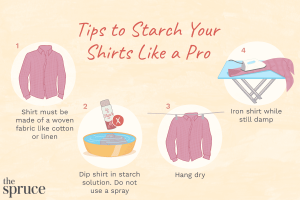
Always wash and slightly dampen clothing before applying starch. Dirt and oils interfere with results.
Ironing at the Wrong Temperature
Use the correct heat setting for the fabric type. High heat for cotton, medium for blends, low for synthetics.
Ignoring Buildup
Repeated starch applications without washing can weaken fibers and reduce effectiveness. Clean clothes first before re-starching.
Conclusion: Homemade vs. Commercial Laundry Starch
Both homemade and commercial laundry starch have unique advantages. Homemade starch is affordable, eco-friendly, and safe for natural fabrics, making it perfect for everyday use. Commercial starch provides consistent results, stronger stiffness, and convenient application, making it ideal for professional-quality finishes and special occasions.
Ultimately, the choice depends on your fabric type, desired crispness, convenience, and environmental considerations. Many households benefit from combining both methods—homemade starch for casual wear and commercial starch for uniforms or dress shirts.
By understanding the differences and using starch correctly, you can achieve long-lasting crispness, protect your fabrics, and enjoy the polished appearance of professionally starched clothing—all from the comfort of your home.