
Environmental Impact of Perc: Understanding the Risks and Regulations
Perchloroethylene, commonly known as perc, has been the dominant solvent in the dry cleaning industry for decades due to its exceptional cleaning power and compatibility with delicate fabrics. However, increasing awareness of environmental sustainability has brought the environmental impact of perc into sharp focus. From groundwater contamination to air quality concerns, perc poses several environmental challenges that every dry cleaning business must consider.
This article explores the environmental impact of perc, the regulations governing its use, and strategies for minimizing its ecological footprint.
What Is Perc?
Perchloroethylene (tetrachloroethylene) is a chlorinated solvent widely used in commercial dry cleaning. It is non-flammable, chemically stable, and effective at dissolving grease, oils, and other non-polar contaminants.
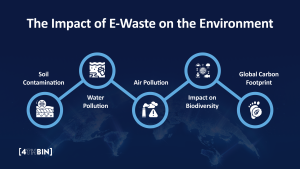
Environmental Impact of Perc
Chemical Properties That Affect the Environment
Volatile Organic Compound (VOC): Perc evaporates easily, contributing to air pollution if released.
Persistent in the Environment: Perc does not readily break down in soil or water, which increases the risk of long-term contamination.
Solubility: Perc is only slightly soluble in water but can migrate into groundwater and affect drinking water sources.
These chemical properties make perc effective for cleaning but potentially hazardous for the environment if mishandled.
Air Quality Concerns
Perc’s volatility makes it a concern for indoor and outdoor air quality.
Worker Exposure and Indoor Air
In dry cleaning facilities, perc vapors can accumulate without proper ventilation. High concentrations can lead to short-term health effects for employees, such as dizziness, headaches, and respiratory irritation. Modern closed-loop machines and local exhaust ventilation are critical for minimizing indoor emissions.
Outdoor Air Pollution
Perc released into the atmosphere contributes to volatile organic compound (VOC) emissions, which play a role in smog formation and air quality degradation. Regulatory agencies monitor perc emissions to reduce environmental and public health risks.
Water and Soil Contamination
Perc can have a lasting impact on soil and groundwater if released through spills, leaks, or improper disposal.
Groundwater Contamination
Even small releases of perc can migrate through soil and contaminate groundwater. Because perc is persistent, cleanup can be complicated, time-consuming, and expensive. Contaminated sites may require extensive remediation efforts to protect local water supplies.
Soil Impact
Soil near dry cleaning facilities can absorb perc from leaks or spills. Over time, contaminated soil can affect plant life and contribute to further groundwater contamination. Secondary containment, proper storage, and regular inspections are essential to mitigate these risks.
Regulations Governing Perc Use
Environmental concerns have led to stringent regulations on perc in many countries, including the United States.
EPA Guidelines
The Environmental Protection Agency (EPA) classifies perc as a hazardous air pollutant and regulates its emissions. Requirements include:
Use of closed-loop dry cleaning systems
Proper solvent storage and disposal
Periodic monitoring and reporting
State and Local Regulations
Some states have enacted stricter laws, including bans on perc use in residential areas or limitations on emissions. Dry cleaners must stay informed about local regulations to avoid fines and environmental liabilities.
International Standards
Other countries are also tightening restrictions on chlorinated solvents, with some encouraging or mandating the transition to greener alternatives.
Best Practices to Reduce Environmental Impact
Even when using perc, dry cleaning businesses can adopt practices to minimize environmental harm.
1. Closed-Loop Systems
Closed-loop machines capture solvent vapors during cleaning and drying cycles, reducing air emissions and solvent loss. Modern machines also filter and recycle perc, improving both environmental performance and cost efficiency.
2. Proper Storage and Spill Prevention
Store perc in approved, sealed containers with secondary containment
Limit stored quantities to reduce the risk of accidental release
Regularly inspect tanks, pipes, and gaskets for leaks
3. Waste Management and Recycling
Collect used perc for distillation and reuse
Dispose of contaminated materials through licensed hazardous waste services
Avoid discharging perc into drains or sewers
4. Employee Training
Well-trained staff can significantly reduce environmental risk by following proper handling, storage, and disposal procedures. Regular training ensures compliance with EPA and OSHA standards.
Alternatives to Perc for a Greener Future
As environmental regulations and consumer preferences shift, many businesses are exploring safer alternatives.
Hydrocarbon Solvents
Hydrocarbon-based solvents produce fewer hazardous air emissions and are considered less environmentally harmful than perc, though they may require longer cleaning cycles.
Silicone-Based Solvents
Silicone solvents have low toxicity and degrade into benign substances. They are environmentally friendly while remaining gentle on fabrics.
Liquid Carbon Dioxide (CO₂) Cleaning
This method uses pressurized CO₂ to clean garments. It leaves no chemical residue and has minimal environmental impact, though equipment costs are high.
Professional Wet Cleaning
Wet cleaning eliminates chemical solvents entirely, using water and biodegradable detergents in computer-controlled systems. It is often considered the most sustainable method for everyday garments.
Consumer Awareness and Market Impact
Public awareness of environmental issues is influencing customer choices. Dry cleaners that use perc may face scrutiny from eco-conscious consumers, while businesses offering green cleaning alternatives can leverage this trend for marketing and brand differentiation.
Eco-Friendly Branding
Promoting sustainable practices, including solvent recycling, green alternatives, or wet cleaning, can attract environmentally conscious customers and build loyalty.
Regulatory Compliance as a Competitive Advantage
Demonstrating compliance with EPA and local regulations not only reduces legal risk but can also enhance a business’s reputation for responsible environmental stewardship.
Conclusion: Managing the Environmental Impact of Perc
Perchloroethylene is highly effective for dry cleaning, but its environmental impact cannot be ignored. VOC emissions, soil and groundwater contamination, and regulatory pressures make responsible handling essential.
By implementing best practices such as closed-loop systems, proper storage, waste management, and employee training, dry cleaners can mitigate the ecological footprint of perc while maintaining high-quality cleaning standards.
For long-term sustainability, businesses should also consider green solvents or wet cleaning methods to reduce environmental risks, align with regulatory trends, and appeal to eco-conscious consumers.
Understanding and managing the environmental impact of perc is not only a legal and ethical responsibility but also a strategic step toward a safer, more sustainable future in the dry cleaning industry.