
Common Dry Cleaning Myths You Should Stop Believing
Dry cleaning is an essential part of modern wardrobe care, yet it remains one of the most misunderstood services in the clothing industry. Many consumers hesitate to use dry cleaning because of widespread myths that have circulated for years—myths about harsh chemicals, garment damage, and unnecessary cleaning. The truth is far more nuanced. In this guide, we’ll debunk the most common dry cleaning myths, explain what really happens behind the scenes, and help you make better decisions for your clothes and your wallet.
Whether you’re a frequent dry-cleaning customer or someone who avoids it altogether, understanding the facts can extend the life of your garments and improve how you care for your wardrobe.
Myth #1: Dry Cleaning Uses No Liquids
It might sound ironic, but dry cleaning isn’t actually dry at all. Many people believe the process involves no liquid solvents, which leads to confusion about how clothing is cleaned.
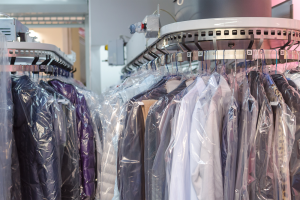
Common Dry Cleaning Myths You Should Stop Believing
The Truth: Dry Cleaning Uses Specialized Liquids
Dry cleaning uses liquid solvents—just not water. Water can cause certain fabrics to shrink, stretch, or lose shape. Solvents, on the other hand, clean without causing the fiber-swelling that water does. The most common traditional solvent is perchloroethylene (often called “perc”), although eco-friendly options such as liquid CO₂, hydrocarbon, and silicone-based solvents are now widely used.
These solvents effectively dissolve oils and stains that water struggles to break down, making them ideal for delicate or structured garments.
Myth #2: Dry Cleaning Harms Your Clothes
Many people worry that taking clothing to the dry cleaner will wear down fabrics or cause long-term damage.
The Truth: Proper Dry Cleaning Can Extend Garment Life
When done correctly by a professional cleaner, dry cleaning is actually gentler than home washing. Dry cleaning machines use controlled tumbling, precise temperatures, and specialized detergents designed to protect fibers. This process helps maintain the shape, color, and texture of fabrics.
Clothing that typically benefits from dry cleaning includes:
Wool suits
Silk garments
Beaded or embellished items
Structured coats and jackets
Delicate fabrics prone to shrinking
Instead of harming clothing, dry cleaning can prevent common issues like pilling, stretching, or fading.
Myth #3: DIY Home Methods Are Just as Effective
With social media full of DIY cleaning hacks, many people assume they can replicate professional-level results at home.
The Truth: Home Hacks Can Ruin Delicate Fabrics
Home steaming, vodka sprays, and over-the-counter dry-cleaning kits may freshen clothing temporarily, but they cannot replace professional cleaning. These methods often fail to remove deep stains or lingering odors, and some can even cause permanent damage.
For example:
Sprays may discolor delicate fabrics
Overheating with handheld steamers can warp garments
Home “dry cleaning” machines do not clean—only deodorize
Professional cleaners use industrial equipment capable of removing oils, stains, and dirt that home methods simply cannot touch.
Myth #4: All Dry Cleaning Chemicals Are Harsh and Unsafe
This is one of the most widespread misconceptions about dry cleaning. While historical practices relied heavily on strong chemical solvents, the modern industry is evolving.
The Truth: Many Cleaners Now Use Eco-Friendly Solvents
While some cleaners still use perc (which is tightly regulated), many have transitioned to greener alternatives such as:
Hydrocarbon solvents (gentle and odorless)
Liquid silicone (D5), known for being biodegradable
Wet cleaning, a water-based but highly controlled method
If you’re concerned about chemicals, ask your local dry cleaner about their solvent choice. Many promote eco-friendly methods that are safe for you, your clothes, and the environment.
Myth #5: If a Garment Says “Dry Clean Only,” You Can Ignore It
Fabric care labels can be confusing, but they exist for a reason. Some people assume “Dry Clean Only” is merely a suggestion.
The Truth: Care Labels Protect Your Garment’s Structure
Fabrics like wool, silk, taffeta, and rayon often require dry cleaning because they react poorly to water. Ignoring the label can lead to:
Shrinkage
Color bleeding
Texture distortion
Weakening of fibers
Loss of shape
If a garment says “Dry Clean Only,” there’s a high probability that home washing will ruin it.
Myth #6: Dry Cleaning Is Only for Business Attire
Many people believe dry cleaning is limited to suits, dress shirts, and work attire.
The Truth: Many Everyday Items Benefit from Dry Cleaning
Dry cleaning isn’t just for professional clothing. Many casual garments last significantly longer with professional care. These include:
Cashmere sweaters
Designer denim
Winter coats
Evening dresses
Delicate blouses
Vintage clothing
Dry cleaning keeps these items fresher, helps them retain color, and protects their structure far better than standard washing cycles.
Myth #7: Frequent Dry Cleaning Is Bad for Your Clothes
Some consumers avoid dry cleaning because they worry that doing it too often is harmful.
The Truth: The Right Frequency Depends on Use, Not Risk
Dry cleaning does not harm garments when performed appropriately. In fact, oils and dirt that build up from repeated wear can degrade fabrics faster than proper cleaning.
A general guideline:
Suits: every 3–5 wears
Dress shirts: every 1–2 wears (or launder + press)
Coats: 1–2 times per season
Silk and delicate fabrics: after every wear or two
Professional cleaners tailor cleaning cycles to minimize stress on fabrics, ensuring clothes stay in optimal condition.
Myth #8: All Dry Cleaners Provide the Same Quality
Not all dry cleaners use the same techniques, equipment, or solvents. Choosing the right cleaner matters.
The Truth: Quality Varies Widely Between Cleaners
A high-quality dry cleaner will:
Inspect clothing before cleaning
Pre-treat stains
Use modern, well-maintained equipment
Use appropriate solvents for each fabric
Press garments carefully to avoid shine or damage
Lower-quality cleaners may skip steps, leading to inconsistent results. Reading reviews and asking questions about their process can help you choose the best provider.
Final Thoughts: Don’t Let Myths Ruin Your Wardrobe
Dry cleaning is a safe, effective, and essential part of garment care—especially for delicate fabrics, structured clothing, and high-value items. Many long-standing myths stem from misunderstandings or outdated information, but today’s dry cleaning industry has evolved significantly, offering eco-friendly services, gentler cleaning methods, and expert care tailored to modern fabrics.