
Common Chemicals in Dry Cleaning: A Complete Guide
Dry cleaning is a specialized cleaning process designed to remove stains and dirt from delicate fabrics without using water. Instead of traditional washing methods, dry cleaning relies on chemical solvents that effectively dissolve oils, grease, and stubborn stains while protecting the structure of the fabric. Understanding the common chemicals used in dry cleaning can help consumers make informed choices about garment care and environmental impact.
In this guide, we will explore the most common chemicals used in the dry cleaning industry, how they work, and their benefits and safety considerations.
What Is Dry Cleaning?
Dry cleaning is a cleaning method that uses chemical solvents rather than water to clean clothes and textiles. While the process is called “dry,” garments are actually cleaned using liquid solvents that evaporate quickly and leave little residue.
This method is commonly used for delicate fabrics such as silk, wool, cashmere, and structured garments like suits, coats, and formal wear. Water-based washing can damage these materials, causing shrinkage, fading, or distortion. Dry cleaning solvents remove stains gently while preserving the integrity of the fabric.
Why Chemicals Are Used in Dry Cleaning
Water is effective for many cleaning tasks, but it is not always suitable for certain fabrics. Many stains—such as oils, cosmetics, and grease—are not easily removed with water alone.
Dry cleaning chemicals act as solvents, which means they dissolve oils and residues without damaging fibers. These chemicals are specifically formulated to penetrate fabric fibers, break down stains, and carry away dirt during the cleaning cycle.
The use of solvents also reduces friction and agitation, which helps maintain the original texture, color, and shape of garments.
Most Common Chemicals Used in Dry Cleaning
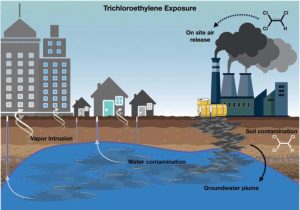
Common Chemicals in Dry Cleaning
Several chemicals are used in modern dry cleaning processes. Each solvent has unique properties that make it suitable for different cleaning needs.
Perchloroethylene (Perc)
Perchloroethylene, often referred to as “perc,” is the most widely used dry cleaning solvent. It has been the industry standard for decades because of its powerful stain-removing capabilities.
Perc is particularly effective at dissolving grease, oils, and wax-based stains. It is also non-flammable and relatively stable, making it convenient for commercial dry cleaning machines.
However, perc has raised environmental and health concerns. Because of this, many dry cleaners are gradually transitioning to alternative solvents that are considered safer and more environmentally friendly.
Hydrocarbon Solvents
Hydrocarbon solvents are petroleum-based cleaning agents that are commonly used as an alternative to perc. These solvents are gentler on fabrics and generally produce less odor after cleaning.
Hydrocarbon solvents work well for general cleaning and stain removal but are typically less aggressive than perc. As a result, the cleaning cycle may take longer, or additional spot treatment may be required.
Despite these limitations, hydrocarbon solvents are popular among cleaners who want a milder and more fabric-friendly solution.
Liquid Silicone (D5)
Liquid silicone solvents, often known as D5, are another modern alternative used in dry cleaning. These solvents are known for being gentle on fabrics and leaving garments soft and fresh.
Silicone-based cleaning solutions break down into natural elements such as sand, water, and carbon dioxide. Because of this, they are often marketed as environmentally friendly options.
Liquid silicone is particularly effective for delicate garments and specialty fabrics that require careful handling.
Carbon Dioxide Cleaning
Carbon dioxide cleaning uses pressurized liquid CO₂ as a solvent. In this process, carbon dioxide is compressed until it becomes a liquid and then used to clean garments.
This method is considered environmentally friendly because carbon dioxide is non-toxic and can be recycled during the cleaning process. It also produces very little chemical residue.
Although this technology is effective and sustainable, the equipment required for carbon dioxide cleaning is expensive, which limits its widespread use in the dry cleaning industry.
Glycol Ether Solvents
Glycol ether-based solvents are another alternative used in modern dry cleaning systems. These chemicals provide strong cleaning performance while being gentler than traditional solvents.
They are particularly effective for removing oily stains and are often used in combination with specialized detergents that enhance the cleaning process.
Dry cleaners using glycol ether systems often advertise them as eco-friendly or next-generation cleaning technologies.
Additional Chemicals Used in Dry Cleaning
In addition to solvents, dry cleaning operations use several other chemicals that help improve cleaning performance.
Dry Cleaning Detergents
Dry cleaning detergents are additives that help solvents lift dirt and stains from fabrics. They improve the ability of the solvent to penetrate fibers and suspend soil particles so they can be removed during the cleaning cycle.
These detergents also help prevent redeposition, which occurs when dirt removed from one garment settles onto another.
Spotting Agents
Spotting agents are specialized chemicals used to treat specific stains before garments enter the dry cleaning machine. Different stains require different chemical treatments.
For example, protein-based stains like blood or sweat may require enzyme-based solutions, while ink stains may need alcohol-based spotting agents.
Professional cleaners carefully select spotting chemicals based on the type of stain and fabric.
Fabric Finishing Agents
After the cleaning process, some garments are treated with finishing agents that help restore softness, shape, or wrinkle resistance.
These agents may include light starch solutions or fabric conditioners that improve the overall appearance of the garment.
Finishing chemicals ensure that clothes look fresh, smooth, and professionally pressed when returned to the customer.
Environmental and Safety Considerations
As awareness of environmental issues has increased, the dry cleaning industry has taken steps to adopt safer and more sustainable chemicals.
Many countries have introduced regulations that limit the use of certain solvents, particularly perchloroethylene. In response, many dry cleaners have switched to alternative technologies such as hydrocarbon solvents, silicone-based cleaning, or carbon dioxide systems.
Consumers who are concerned about environmental impact can look for cleaners that advertise “green dry cleaning” methods or use biodegradable solvents.
Proper handling, storage, and disposal of dry cleaning chemicals are also essential to prevent environmental contamination and protect worker safety.
The Future of Dry Cleaning Chemicals
The dry cleaning industry continues to evolve as new technologies and safer solvents are developed. Researchers are constantly exploring innovative cleaning methods that maintain high cleaning performance while reducing environmental impact.
Future dry cleaning solutions may rely more heavily on biodegradable solvents, advanced filtration systems, and energy-efficient machines. These improvements aim to provide effective garment care while minimizing chemical exposure and waste.
As sustainability becomes a priority, eco-friendly dry cleaning technologies are expected to become more common in the coming years.
Conclusion
Dry cleaning plays an important role in garment care, especially for delicate fabrics that cannot be washed with water. The process relies on a variety of chemical solvents and cleaning agents that work together to remove stains, oils, and dirt while preserving fabric quality.
Common chemicals used in dry cleaning include perchloroethylene, hydrocarbon solvents, liquid silicone, carbon dioxide, and glycol ether solutions. In addition to these solvents, detergents, spotting agents, and finishing chemicals help improve cleaning effectiveness and garment appearance.
As the industry continues to shift toward safer and more sustainable alternatives, consumers can expect dry cleaning methods to become increasingly environmentally friendly while maintaining the high-quality results they rely on.