
Are Optical Brighteners Safe? The Truth in Laundry Powders
Optical brighteners are a common yet often misunderstood ingredient in modern laundry powders. They are widely used by detergent manufacturers to make clothes appear whiter, brighter, and cleaner. However, concerns have been raised about whether these chemicals are truly safe for human health and the environment. Are Optical Brighteners Safe? The Truth in Laundry Powders
This article explores what optical brighteners are, how they work, why they are used in laundry powders, and whether they pose any risks you should be aware of when doing your laundry.
What Are Optical Brighteners in Laundry Powders?
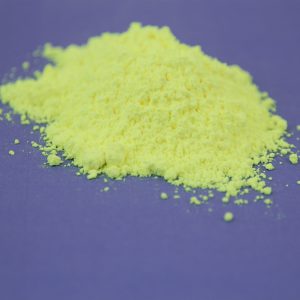
Optical brighteners, also known as fluorescent whitening agents (FWAs), are synthetic chemicals added to laundry powders and detergents. Their primary purpose is not to clean clothes, but to improve their appearance after washing. Are Optical Brighteners Safe? The Truth in Laundry Powders
These compounds work by absorbing ultraviolet (UV) light and re-emitting it as visible blue light. This blue light counteracts yellow tones in fabrics, making them appear whiter and brighter to the human eye.
Unlike traditional cleaning agents such as surfactants or enzymes, optical brighteners do not remove dirt or stains. Instead, they create an optical illusion of cleanliness.
Are Optical Brighteners Safe? The Truth in Laundry Powders
Why Are Optical Brighteners Used in Laundry Powders?
Manufacturers include optical brighteners in laundry powders for cosmetic and marketing reasons. They help enhance the visual appeal of washed fabrics, which can strongly influence consumer perception.
1. Making Clothes Appear Whiter and Cleaner
Over time, white fabrics can develop a dull or yellowish tint due to repeated washing, exposure to sunlight, and mineral deposits from water. Optical brighteners mask this effect by enhancing blue light reflection, making fabrics look fresher and newer.
2. Improving Product Appeal
Consumers often associate brightness with cleanliness. Even if two detergents clean equally well, the one that leaves clothes looking brighter is often perceived as more effective.
3. Maintaining Fabric Appearance
Optical brighteners can deposit onto fabric fibres during washing, providing a lasting brightening effect that persists through multiple wears and washes.
How Do Optical Brighteners Work?
The science behind optical brighteners is based on fluorescence.
Absorption of UV Light
When clothes are washed with detergents containing optical brighteners, the chemicals bind lightly to fabric fibres. When exposed to UV light (such as sunlight or indoor lighting with UV components), they absorb invisible ultraviolet rays.
Emission of Blue Light
After absorbing UV light, optical brighteners emit blue light in the visible spectrum. This blue glow counteracts yellowish tones in fabric, creating a perception of whiteness and brightness.
Visual Effect on Fabrics
The result is purely visual. The fabric itself is not cleaner, but it appears cleaner to the human eye due to the altered light reflection.
Are Optical Brighteners Safe for Human Health?
The safety of optical brighteners depends on exposure levels, individual sensitivity, and how they are used. In general, regulatory agencies consider them safe for use in household detergents when used as directed.
However, there are some important considerations.
1. Skin Contact and Residues
Optical brighteners can remain on clothing after washing. For most people, this does not cause issues. However, individuals with sensitive skin or conditions such as eczema may experience irritation from prolonged contact.
2. Allergic Reactions
Although rare, some people may develop sensitivity or allergic reactions to detergent residues that include optical brighteners. Symptoms may include itching, redness, or mild dermatitis.
3. Limited Absorption Through Skin
Scientific studies suggest that optical brighteners are generally not absorbed significantly through intact skin. This reduces concerns about systemic toxicity in everyday use.
Overall, when used in typical laundry concentrations, optical brighteners are not considered highly toxic, but they may not be ideal for everyone—especially those with sensitive skin.
Environmental Impact of Optical Brighteners
While optical brighteners are generally considered safe for consumers, their environmental impact is a more debated issue.
1. Poor Biodegradability
Some optical brighteners are not easily broken down in wastewater treatment systems. As a result, they can persist in aquatic environments after being washed down the drain.
2. Presence in Water Systems
Studies have detected optical brighteners in rivers and lakes. Because they fluoresce under UV light, they are sometimes used as indicators of wastewater contamination in environmental testing.
3. Effects on Aquatic Life
The long-term effects of optical brighteners on aquatic organisms are still being studied. While they are not considered acutely toxic, concerns remain about their persistence and accumulation in the environment.
Optical Brighteners vs Natural Whitening Methods
Some consumers prefer to avoid optical brighteners altogether and use alternative methods to maintain bright laundry.
1. Oxygen-Based Bleaches
Oxygen-based bleaching agents, such as sodium percarbonate, help remove stains and whiten fabrics without relying on fluorescent chemicals.
2. Sunlight Drying
Sunlight naturally helps whiten fabrics due to UV exposure and mild bleaching effects. This is a traditional and chemical-free method of brightening clothes.
3. Vinegar and Baking Soda
These household ingredients are sometimes used to refresh laundry and reduce residue buildup, although they do not replicate the optical effect of brighteners.
While these alternatives do not create the same “bright white” illusion, they are often preferred by those seeking more natural laundry care options.
Pros and Cons of Optical Brighteners in Laundry Powders
Understanding both sides helps consumers make informed decisions.
Advantages
Make clothes appear whiter and brighter
Enhance the visual cleanliness of fabrics
Improve consumer satisfaction with laundry results
Help maintain fabric appearance over time
Disadvantages
Do not actually clean or remove stains
May irritate sensitive skin in some individuals
Can persist in the environment
Create an artificial perception of cleanliness
How to Know If Your Laundry Powder Contains Optical Brighteners
Optical brighteners are not always clearly labelled, but there are a few ways to identify them.
Check Ingredient Lists
Look for terms such as:
Fluorescent whitening agents
Optical brighteners
FWAs (Fluorescent Whitening Agents)
Use UV Light Test
In some cases, fabrics washed with optical brighteners will glow under UV light (such as a blacklight), appearing slightly blue or fluorescent.
Look for “Free From Optical Brighteners” Labels
Some eco-friendly or sensitive-skin detergents explicitly state that they do not contain optical brighteners.
Are Optical Brighteners Necessary in Laundry Powders?
Optical brighteners are not essential for cleaning clothes. Their function is purely aesthetic. Clothes can be thoroughly cleaned without them using enzymes, surfactants, and proper washing techniques.
However, because consumers often associate brightness with cleanliness, manufacturers continue to include them in many mainstream laundry powders.
For those who prioritise appearance, optical brighteners may be desirable. For those focused on skin sensitivity or environmental impact, they may be best avoided.
Final Thoughts
So, are optical brighteners safe? In most everyday laundry situations, they are considered safe for general use. They do not clean clothes but instead enhance their appearance through a clever fluorescent effect.
However, safety is not just about toxicity. It also includes considerations like skin sensitivity, environmental persistence, and personal preference. For some individuals, especially those with allergies or chemical sensitivities, avoiding optical brighteners may be beneficial.
Ultimately, understanding what optical brighteners do—and do not do—helps you make more informed choices about your laundry products. Whether you prefer ultra-bright whites or a more natural approach, the key is choosing a detergent that aligns with your health needs and values.